Concrete Maintenance Tips for Utah’s Harsh Winters
How to Protect Your Driveway, Patio, and Walkways from Freeze-Thaw Damage
11/24/20255 min read
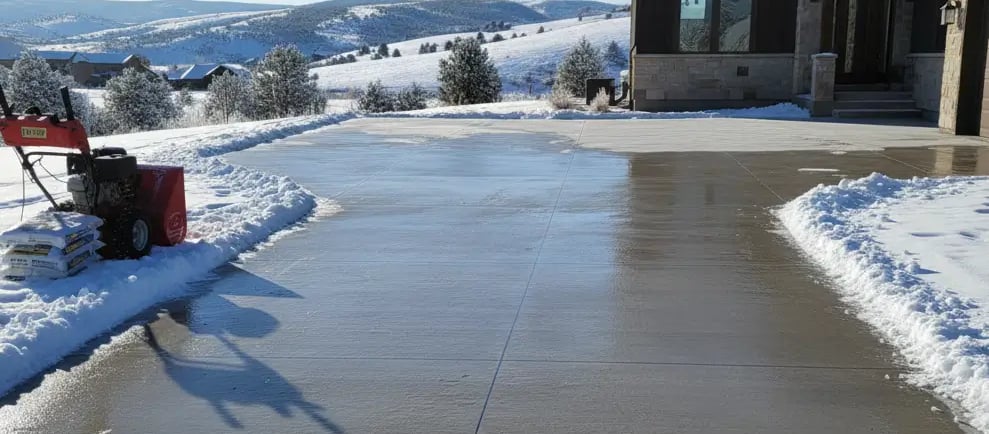
Concrete is one of the most durable materials you can install around your home—but even the best concrete faces serious challenges in Utah’s harsh winters. Homeowners in Eagle Mountain, Lehi, Saratoga Springs, and throughout Utah County know the struggle: one day it’s sunny and above freezing, and the next day temperatures drop below zero. That extreme back-and-forth is tough on concrete, especially driveways, patios, and walkways that take the brunt of winter weather.
If you want your concrete to last for decades without major cracking, spalling, or surface damage, winter maintenance is essential. The good news? With the right steps, you can dramatically extend the life of your concrete and avoid costly repairs.
This guide covers everything Utah homeowners need to know about protecting concrete surfaces during winter—including sealing, snow removal, preventing freeze-thaw damage, and long-term upkeep tips recommended by local concrete professionals.
Why Utah Winters Are Tough on Concrete
Before diving into maintenance, it helps to understand why concrete in Utah takes such a beating. Unlike warmer climates, Utah experiences cycles that accelerate damage, especially in the Wasatch Front and high-elevation communities like Eagle Mountain.
1. Freeze-Thaw Cycles
Utah winters often include:
Warm afternoons
Freezing nights
Occasional rain or melted snow refreezing overnight
This constant cycle causes water to seep into the pores of concrete, freeze, expand, and break apart the surface. Over time, it leads to:
Cracks
Spalling
Surface scaling
Pitting
Air-entrained concrete and sealing help reduce this issue—but maintenance is still required.
2. De-icing Chemicals
Many homeowners unknowingly use the wrong de-icers, which chemically attack concrete. Even store-bought products labeled “safe for concrete” are often not safe in Utah’s climate.
3. Heavy Snowfall
Wet, heavy Utah snow adds weight and moisture—two things concrete does not love.
4. Road Salt Transfer
Salt from city roads tracks onto your driveway via:
Tires
Boots
Meltwater runoff
This accelerates corrosion and weakens the surface over time.
5. Clay-Heavy Soil Movement
Much of Eagle Mountain and northern Utah County has clay-based soil that expands when wet and shrinks when dry, causing settling or shifting beneath slabs.
The combination of these factors means Utah concrete needs specialized winter care—not just basic sweeping or shoveling.
Concrete Maintenance Tips to Protect Your Driveway in Winter
To keep your concrete strong, crack-free, and visually appealing, follow these winter maintenance strategies tailored to Utah’s climate.
1. Seal Your Concrete Before Winter Hits
Concrete sealing is one of the most important steps in winter protection. A good sealer:
Repels moisture
Reduces freeze-thaw damage
Prevents salt penetration
Helps keep the surface smoother and cleaner
Sealing is especially crucial for:
Walkways
Garage entrances
RV pads
How Often Should Utah Homeowners Seal Concrete?
Most Utah concrete should be sealed every 2–3 years, but areas with heavy use or sun exposure may need sealing more frequently.
Types of Sealers for Utah Winters
Penetrating sealers: Best for driveways and high-traffic areas
Acrylic sealers: Good for patios and decorative stamped concrete
Silane/siloxane sealers: Ideal for heavy freeze-thaw zones
For best results, have your concrete sealed by a local contractor who understands Utah County weather patterns.
2. Avoid Using Salt or Chemical De-icers
This is one of the biggest winter mistakes homeowners make.
Common de-icers like sodium chloride, calcium chloride, or magnesium chloride cause:
Surface scaling
Flaking
Pitting
Long-term weakening
These chemicals penetrate concrete, attract water, and worsen freeze-thaw cycles. Even worse, many “concrete-safe” products are still NOT safe during the first 12–24 months of curing.
Safe Alternatives for Utah Concrete
Instead of salt, use:
Sand
Cat litter
Snowmelt crystals labeled as calcium magnesium acetate (CMA)
Traction grit commonly used by city snow crews
These won’t melt ice, but they improve traction without damaging the surface.
3. Shovel Snow Early—Don’t Let It Melt and Refreeze
One of the best ways to prevent damage is simply staying ahead of snow and ice.
When snow melts and refreezes, it:
Forces water into concrete
Amplifies freeze-thaw pressure
Causes scaling and cracks
Shoveling Tips for Protecting Concrete
Use plastic shovels or rubber-edged snow pushers
Avoid metal tools unless necessary
Clear snow before warm daytime temperatures cause melting
Keep snow piles away from the edges of slabs to prevent soil washout
4. Use Proper Snow Removal Tools
Metal shovels, ice chippers, and steel-bladed snowblowers can scrape the surface of concrete, especially decorative stamped concrete. Over time, this can expose aggregate and weaken the top layer.
Best Tools for Utah Concrete:
Plastic or composite shovels
Rubber-edged snow pushers
Snowblowers with poly skids
Heated mats for walkways and porches
If you use a snowblower, ensure the blades do not contact the concrete directly.
5. Keep Gutters and Runoff Away from Concrete
One overlooked winter issue is water drainage. Improperly directed water from roofs or landscaping can saturate the soil beneath concrete and cause shifting, cracking, or frost heave.
Winter Drainage Tips
Keep gutters clean
Ensure downspouts direct water away from driveways and patios
Check for pooling water after snowstorms
Fill low spots near slabs with gravel
Keeping water away from the surface is one of the easiest ways to protect concrete in winter.
6. Fix Small Cracks Before Winter Arrives
Cracks don’t magically stay small. If water enters a crack before winter, it expands when frozen, making the crack deeper and wider.
Seal Minor Cracks in Fall
Use concrete crack filler
Patch surface spalls
Reseal any damaged areas
Have deep cracks evaluated by a local contractor
Fixing cracks before winter is significantly cheaper than repairing large openings in spring.
7. Don’t Park Heavy Vehicles on the Same Spot
While concrete driveways are built to handle daily vehicle use, parking heavy trucks or RVs on the same spot all winter causes stress. Combined with freeze-thaw cycles, driveways can develop cracks beneath the tire area.
Tips for Protecting Driveways from Heavy Loads
Rotate parking positions monthly
Use reinforced pads or thicker slab areas for RV parking
Avoid leaving trailers or equipment parked for long periods
For families who own RVs or work trucks, consider installing a reinforced RV pad specifically designed for heavier loads.
8. Sweep Away Road Salt Regularly
Even if you don’t use salt, it still ends up on your driveway from:
Car tires
Snowplows
Boots and pets
Meltwater flow
Road salt breaks down concrete faster than almost anything else during winter.
Winter Salt Removal Tips
Sweep after each storm
Rinse the driveway on warm days
Add a new layer of sealer every few years
Use a mat near garage entrances to reduce salt tracking
Every small step helps reduce long-term damage.
9. Maintain Your Concrete Year-Round
A little ongoing maintenance helps concrete resist Utah winters:
Spring
Pressure wash gently
Reseal if needed
Inspect for cracks or settling
Summer
Keep sprinklers away from slabs
Avoid heavy loads during extreme heat
Prevent soil erosion
Fall
Clean and remove debris
Seal the driveway or patio
Repair cracks
Check drainage
Winter
Shovel snow early
Avoid salt
Watch for pooling meltwater
Proactive care is always more affordable than reactive repairs.
Utah Concrete: What Lasts and What Fails
Concrete in Utah can last 30–40 years when maintained properly—but only 5–10 years when exposed to improper care, salt, or poor installation.
Common causes of failure include:
No sealing
Salt use
Freeze-thaw stress
Poor base preparation
Improper curing
That’s why working with an experienced local contractor is essential. Concrete installed by someone unfamiliar with Utah-specific conditions is far more likely to crack, spall, or fail prematurely.
When to Call a Local Concrete Expert
Some issues require professional evaluation, including:
Deep cracks
Uneven slabs or sinking
Repeated surface scaling
Water pooling
Edges breaking apart
Decorative stamped concrete fading or flaking
Local teams know Utah’s climate best—but if you’re outside Utah, you’ll want a contractor who understands your region’s unique challenges. For example, homeowners in Southern California face different issues like sun exposure and soil expansion. Working with an experienced concrete contractor ensures your driveways, patios, and foundations are built to withstand local conditions, showing how regional expertise makes all the difference
Conclusion
Utah’s winters can be extremely tough on concrete, but with the right maintenance approach, your driveway, patio, or walkway can stay durable, beautiful, and crack-free for decades.
Key Takeaways:
Seal concrete before winter to prevent moisture penetration.
Never use salt or harsh de-icers on concrete surfaces.
Shovel early and use the right tools to avoid surface damage.
Fix cracks before winter to stop freeze-thaw expansion.
Control runoff and drainage around your home.
Rotate heavy vehicles to prevent slab stress.
Perform seasonal maintenance for long-term durability.
Taking these steps ensures your driveway and concrete surfaces stay strong through Utah’s toughest winters and look great for years to come.
If you're preparing your property for winter or noticing signs of damage, Concrete Eagle Mountain is here to help. Our team specializes in driveways, patios, RV pads, foundations, and other concrete solutions designed specifically for Utah's climate.
Contact Concrete Eagle Mountain today for a free estimate on your next project in Eagle Mountain, UT.
Quality concrete solutions for your construction needs. Whether you're building a new home, renovating an existing structure, or undertaking a large commercial project, our expertise in concrete services ensures that you receive durable and efficient results tailored to your specific requirements. We pride ourselves on using high-quality materials and advanced techniques to deliver excellence in every project we handle, guaranteeing customer satisfaction and reliability.
Get a Free Concrete Estimate in Eagle Mountain, UT
801-406-3780
info@concreteeaglemountain.com
Hours
Monday - Friday 7:00 AM - 6:00 PM
Saturday 8:00 AM - 4:00 PM
Eagle Mountain, Utah
© 2025. All rights reserved.