Spring Concrete Inspection Checklist for Eagle Mountain, UT Homeowners
Winter can be tough on outdoor concrete in Eagle Mountain. Between freezing nights, warming daytime temperatures, snow, moisture, and shifting soil conditions, small issues can turn into larger repairs by spring. Utah also deals with problem soils in many areas, including expansive and collapsible soils that can contribute to movement and damage when moisture changes.
3/13/20264 min read
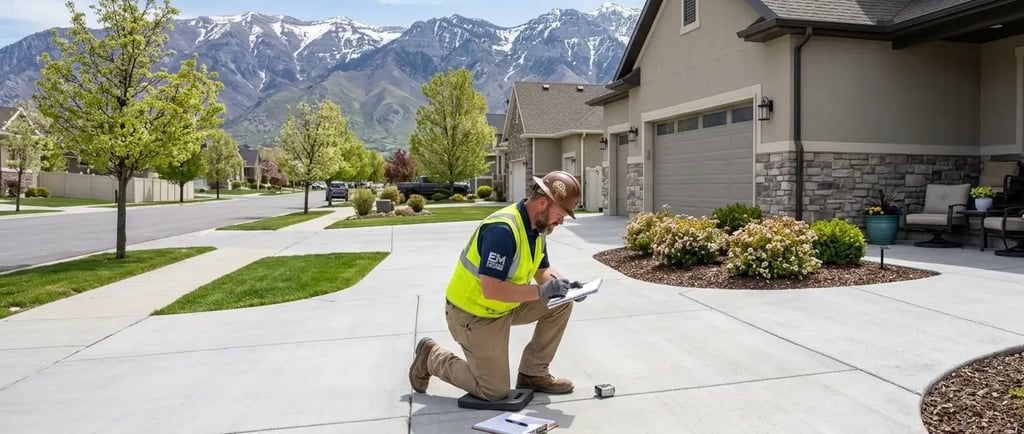
The good news is that a simple spring inspection can help you catch early warning signs before they become expensive problems. Whether you have a concrete driveway, patio, sidewalk, or pool deck, this checklist will help you know what to look for and when it’s time to call a trusted local concrete contractor in Eagle Mountain, UT.
Why spring is the best time to inspect concrete in Eagle Mountain
Spring is when winter damage tends to show up clearly. Freeze-thaw exposure is a major durability concern for concrete, especially when moisture gets into the surface and temperatures keep cycling above and below freezing. Eagle Mountain’s climate includes freezing, snowy winters and hot, dry summers, which makes seasonal concrete maintenance especially important.
A spring inspection helps homeowners:
Spot new cracks before they spread
Check for surface scaling or flaking
Catch drainage issues after snowmelt and rain
Decide whether sealing, repair, or resurfacing is needed
Protect curb appeal and extend the life of the concrete
Spring concrete inspection checklist
1. Look for new cracks
Walk the full surface and look closely for hairline cracks, wider gaps, or cracks that seem longer than they were last year.
Pay special attention to:
Driveway edges
Areas near steps
Joints between slabs
Places where water tends to sit
Small surface cracks are common, but wider or growing cracks can point to movement below the slab, moisture intrusion, or stress from winter weather. In Utah, soil-related hazards such as expansive soils can also contribute to structural movement if moisture conditions change over time.
2. Check for flaking, scaling, or surface damage
Scaling is when the top layer of concrete begins to peel, flake, or chip away. This often becomes more visible after winter.
Common causes include:
Repeated freeze-thaw exposure
Moisture getting into unprotected concrete
Early exposure to deicing salts
Weak or worn surface protection
Concrete industry guidance notes that deicers and freeze-thaw conditions can accelerate damage, especially if concrete is saturated or not properly protected.
3. Watch for pooling water
After snowmelt or spring rain, check whether water drains off your concrete properly or sits in low spots.
Pooling water may signal:
Poor slab slope
Settling or uneven concrete
Drainage problems around the home
Soil movement under the slab
This matters because concrete tends to last better when it does not stay saturated. ACI guidance notes that preventing saturation is an important part of avoiding freeze-thaw distress.
4. Check joints and edges
Control joints and expansion areas are designed to help concrete handle movement. In spring, inspect them for:
Crumbling edges
Separation
Weed growth
Dirt buildup
Missing filler or sealant
Damaged joints can let in more water, which increases the chance of further cracking and wear.
5. Inspect for uneven or sunken sections
Stand back and look across the slab from multiple angles. Uneven concrete may be easier to notice when shadows are longer in the morning or evening.
Signs include:
One slab edge sitting higher than another
Trip hazards along sidewalks
Sunken spots near garage entries
Patios that no longer drain away from the house
Settlement can happen for several reasons, including poor subgrade preparation, erosion, or soil movement. That is especially worth monitoring in Utah, where problem soils are a recognized construction hazard.
6. Look for stains that may hide damage
Oil, rust, fertilizer stains, and heavy dirt buildup do more than affect appearance. They can also make it harder to see small cracks or worn spots.
Spring is a smart time to:
Sweep and rinse the surface
Remove built-up debris from corners and joints
Clean stains before evaluating repairs
Check whether the sealed finish still looks intact
7. Review the sealer condition
Concrete sealers help reduce water penetration and protect the surface from weather and deicing exposure. Guidance from concrete industry sources notes that hardened concrete is generally sealed after full curing, often around 28 days, to help repel water and deicing salts.
Your sealer may be wearing down if:
Water no longer beads on the surface
The finish looks patchy or faded
Decorative concrete has lost color depth
The surface absorbs water quickly
For many Eagle Mountain properties, resealing on a maintenance schedule is one of the simplest ways to protect a driveway or patio from Utah weather.
When to schedule concrete repair instead of waiting
Some concrete issues can wait for a routine maintenance visit. Others are worth addressing sooner.
Call for an inspection if you notice:
Cracks that are widening
Multiple cracks in the same area
Surface scaling that keeps spreading
Water draining toward your home
Uneven slabs creating a trip hazard
Sections that look sunken or lifted
Prompt repair can often prevent a full replacement, especially when the damage is limited to the surface or a specific section.
How Eagle Mountain homeowners can help concrete last longer
A few simple habits can make a big difference over time.
Keep drainage under control
Make sure runoff moves away from the slab. Downspouts, grading, and nearby landscape beds all affect how much water ends up around your concrete.
Use deicers carefully
Not all ice melt products are equal for concrete. Industry guidance warns that some deicing chemicals can be harsher on concrete surfaces than others, especially when the slab is vulnerable or repeatedly saturated.
Reseal on schedule
A quality sealer can help reduce moisture intrusion and surface wear, which matters in a place with winter freeze-thaw exposure and strong summer sun.
Don’t ignore small issues
Hairline cracks and minor edge wear are much easier to fix early than after another winter season.
Why local experience matters for concrete in Utah County
Concrete work in Eagle Mountain is not the same as concrete work in a milder climate. Local contractors need to understand:
Freeze-thaw exposure
High-desert sun and dry summers
Drainage needs after snow and spring storms
Soil movement risks common in Utah
Mix, curing, and protection practices that support long-term durability
That local knowledge helps homeowners make better choices about installation, repairs, resurfacing, and maintenance. Concrete Eagle Mountain positions its services around Eagle Mountain and surrounding Utah County communities, with an emphasis on local climate and soil conditions.
Final thoughts
A spring concrete inspection is one of the easiest ways to protect your property after winter. Catching cracks, drainage problems, scaling, and uneven sections early can help you avoid more costly repairs later.
If your driveway, patio, sidewalk, or pool deck is showing signs of wear, working with a trusted concrete contractor in Eagle Mountain, UT can help you decide whether sealing, resurfacing, repair, or replacement is the right next step.
Need help with concrete repair or maintenance in Eagle Mountain? Contact Concrete Eagle Mountain for a free quote and honest recommendations tailored to your property.
Quality concrete solutions for your construction needs. Whether you're building a new home, renovating an existing structure, or undertaking a large commercial project, our expertise in concrete services ensures that you receive durable and efficient results tailored to your specific requirements. We pride ourselves on using high-quality materials and advanced techniques to deliver excellence in every project we handle, guaranteeing customer satisfaction and reliability.
Get a Free Concrete Estimate in Eagle Mountain, UT
801-406-3780
info@concreteeaglemountain.com
Hours
Monday - Friday 7:00 AM - 6:00 PM
Saturday 8:00 AM - 4:00 PM
Eagle Mountain, Utah
© 2025. All rights reserved.